
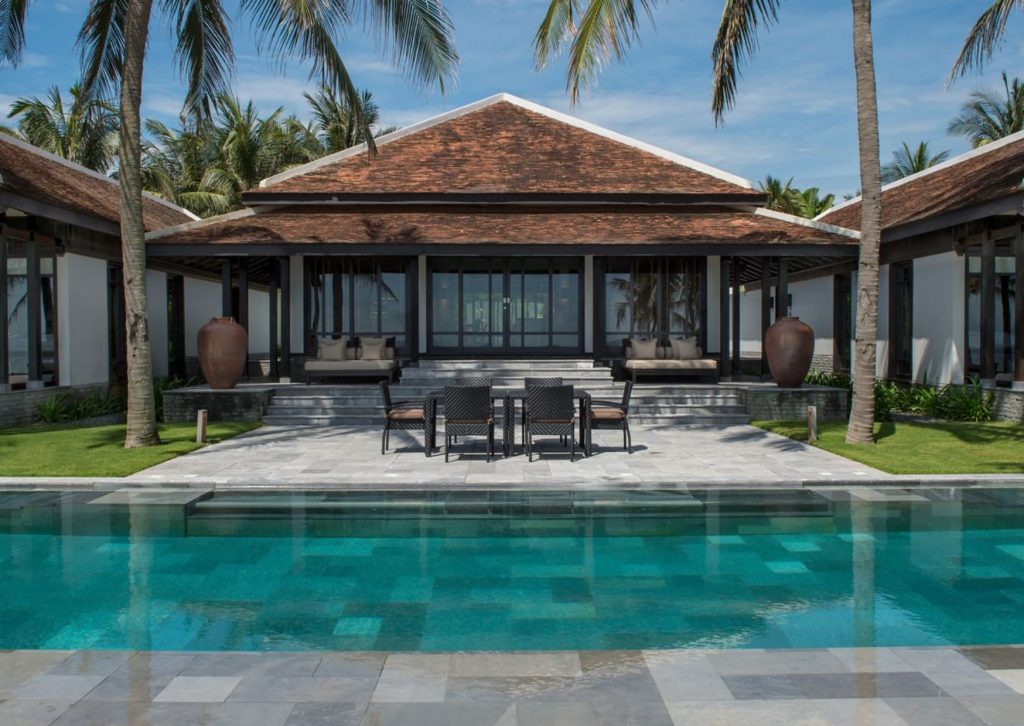
The Vietnam luxury travel market reached USD 9.5 billion in 2025 and is projected to grow to USD 16.3 billion by 2034, a CAGR of nearly 6% (IMARC Group, 2025). Vietnam is no longer competing in the budget-travel bracket. It is now a serious contender against Thailand, Bali, and even parts of Europe for the high-spending, experience-first traveler.
For travel agents and tour operators designing premium itineraries, understanding the specific Vietnam luxury travel trends shaping 2026 is not optional. It is the difference between an itinerary your clients describe as “nice” and one they talk about for years. This article breaks down six dominant trends, with specific destinations, properties, and actionable insights for agents working with a reliable Vietnam DMC.
1. 6 Vietnam Luxury Travel Trends in 2026
1.1. Experiential luxury: Authenticity over opulence
The most significant shift in Vietnam luxury travel trends is the move away from pure opulence toward what can be called experiential luxury: the kind of access and immersion that money can buy, but that most travelers cannot arrange on their own.
In Vietnam specifically, this translates into:
- Private royal dining in a nhà vườn (garden house) in Hue. A traditional imperial meal prepared by chefs versed in Nguyen dynasty cuisine, served in a candlelit heritage property on the banks of the Perfume River. This is not available on any public tour menu.
- After-hours private access to the Temple of Literature in Hanoi. A curated evening visit when the ancient university is completely empty, with a personal historian as guide. The experience of walking through 1,000 years of Vietnamese scholarly history without another tourist in sight is something clients remember for decades.
- Exclusive calligraphy and lacquerware workshops in Hoi An. One-on-one sessions with a master artisan rather than a group class. The difference in quality of instruction and the intimacy of the experience are immediately apparent.
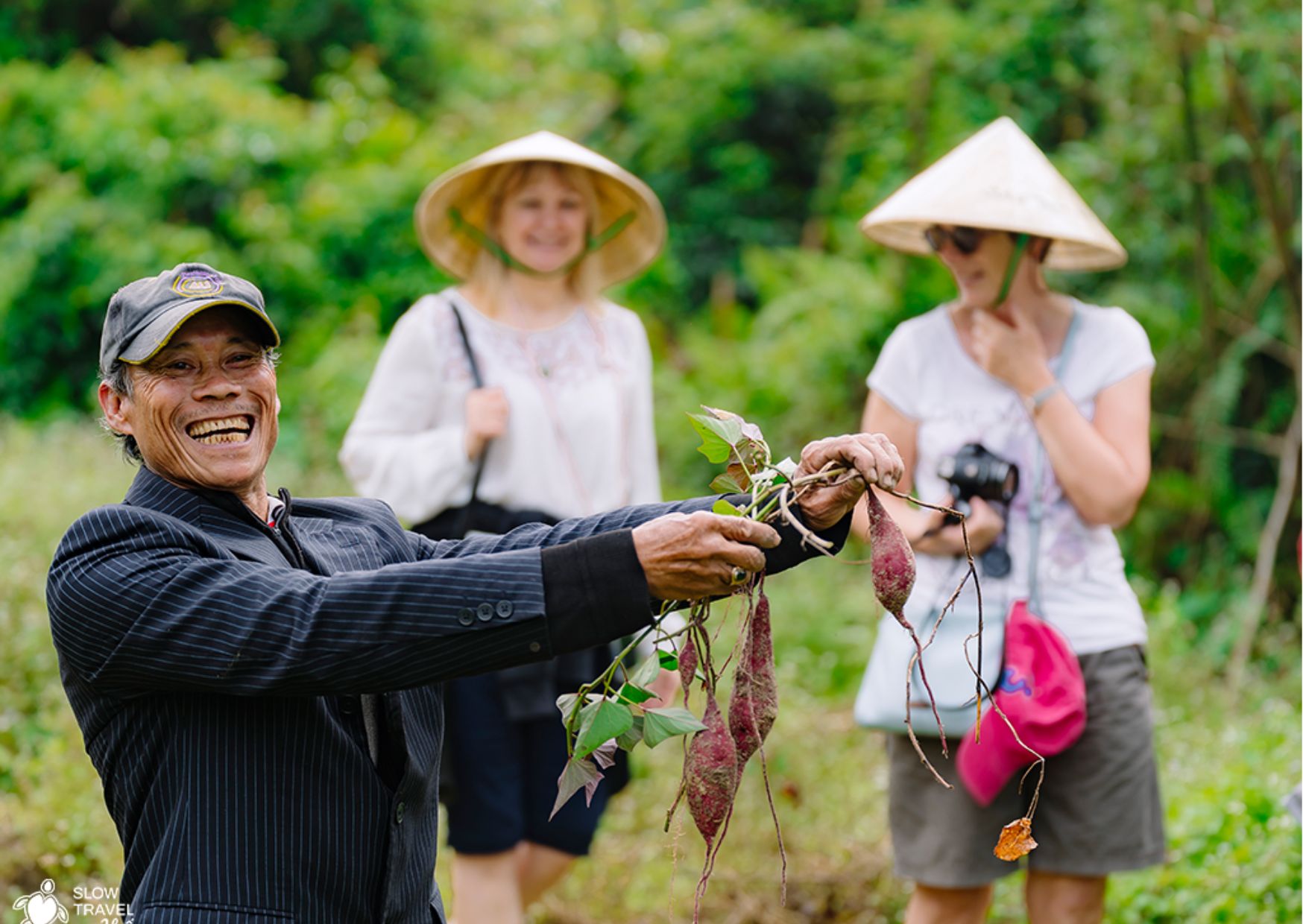
- Private cooking and farming immersion in the Mekong Delta. Sourcing ingredients from a working farm, cooking with the host family, and dining at the same table. This is the Mekong Delta experience that no river cruise itinerary can replicate.
1.2. Wellness as a Non-Negotiable Itinerary Layer
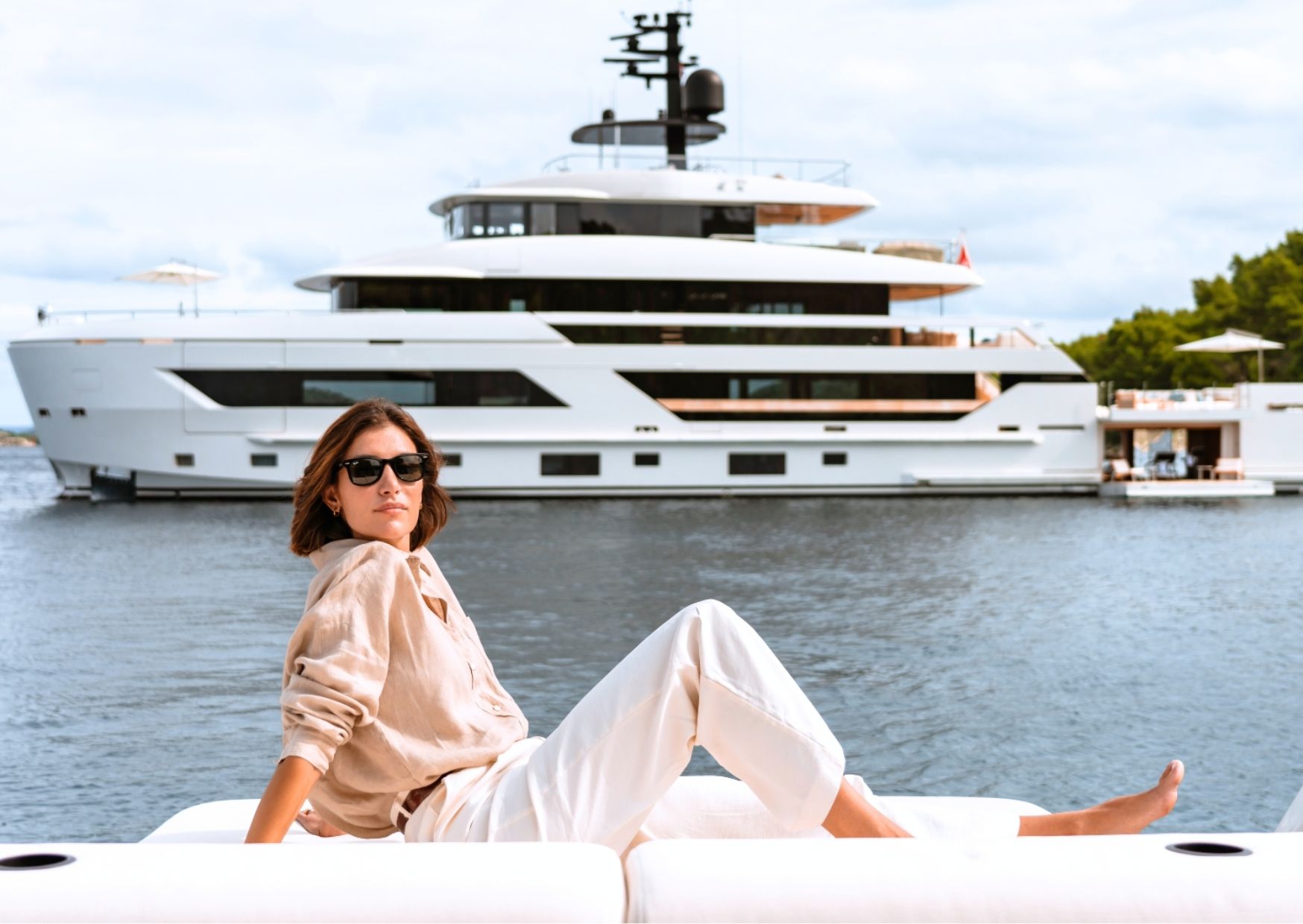
Wellness travel has crossed from niche to mainstream in Vietnam premium tourism. Booking.com’s Travel Predictions 2025 report shows that more than 65% of global travelers prioritize vacations designed to recharge, and high-end travelers are spending significantly more to do it properly. Vietnam is benefiting from this shift, with a rapidly developing ecosystem of wellness-integrated properties spread across the country’s most scenic regions.
The key properties leading Vietnam’s wellness luxury segment in 2026:
Six Senses Ninh Van Bay (Nha Trang) offers 62 sustainably built private villas accessible only by boat, with a barefoot-luxury philosophy that prioritizes privacy and connection with nature. The property’s Six Senses Spa draws heavily on traditional Vietnamese healing practices.
- TIA Wellness Resort (Da Nang) provides private pool villas with fully customized wellness programs combining detox nutrition, sleep therapy, and mindfulness. Every program is designed around the individual guest’s health goals before arrival.
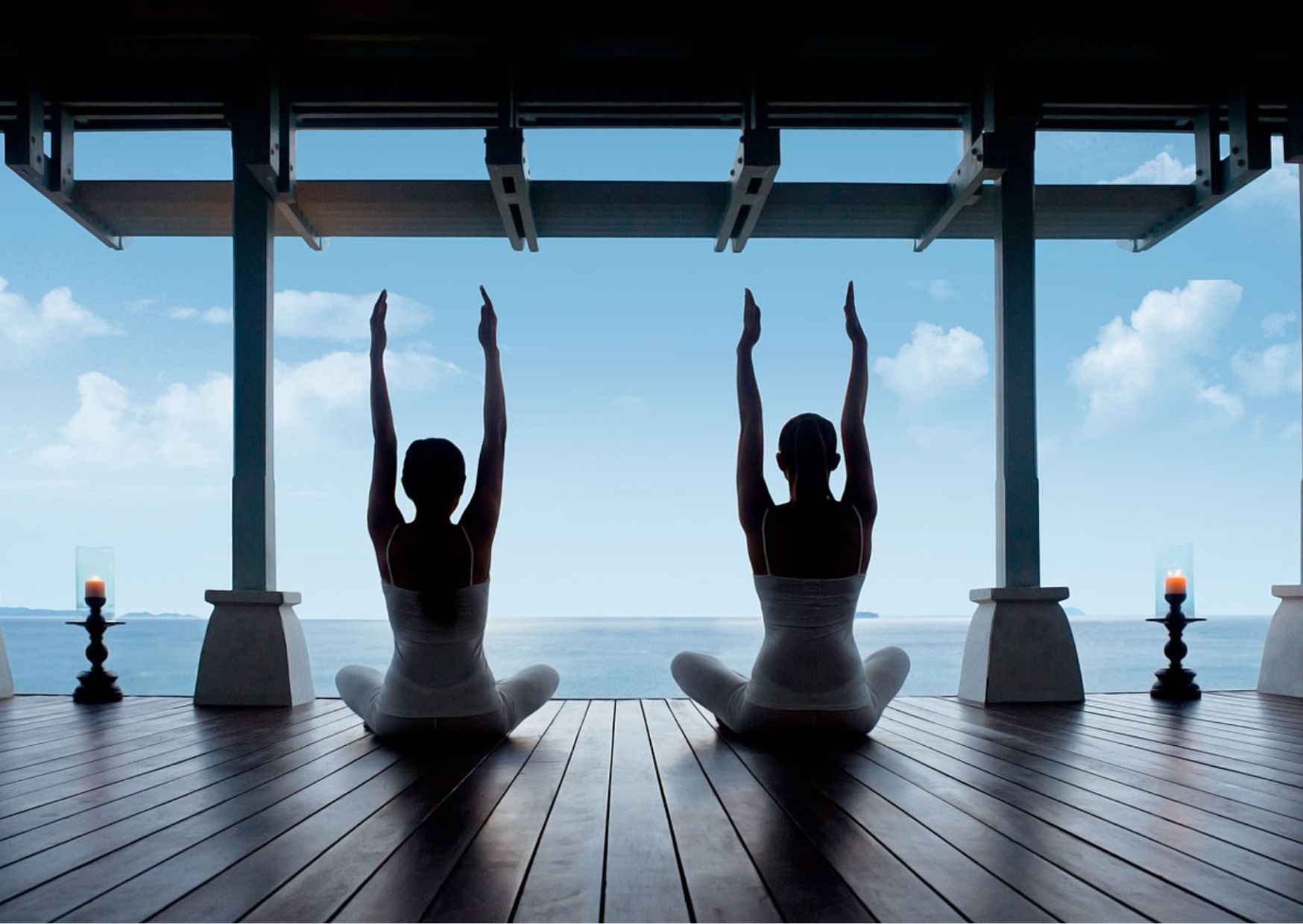
- Naman Retreat (Da Nang) positions itself around beachfront living with daily meditation facing the South China Sea, detox programs, and the kind of structural solitude that the urban executive market is actively seeking.
- Heritage Line Ylang cruise (Lan Ha Bay) is a wellness-focused overnight cruise featuring daily yoga, spa rituals, and floating breakfasts on the water. It reframes the Ha Long Bay cruise experience entirely for clients who have already done the standard overnight trip.
- Alba Wellness Resort by Fusion (Hue) operates on a spa-inclusive model where all wellness activities are bundled into room rates, removing the friction of per-service billing that disrupts the relaxation experience.
A key emerging segment within this trend is the executive wellness client: professionals aged 35 to 50 who want a structured detox or recovery program built into a business trip extension. This group overlaps directly with the bleisure trend discussed in the next section, and Vietnam is unusually well positioned to serve both needs within a single itinerary.
1.3. Belisure and Work-Resort: The Hybrid Client Profile
According to Skift Megatrends 2025 and the American Express Global Business Travel Report 2024, between 40 to 45% of business travelers now extend corporate trips for leisure, a behavior known as bleisure. In Vietnam, this is accelerating as MICE infrastructure improves in coastal destinations that were previously seen as purely leisure markets.
Da Nang and Phu Quoc have emerged as the dominant bleisure destinations in Vietnam. A delegate attending a three-day conference at the ARIYANA Convention Centre in Da Nang (capacity: 2,500 delegates) can extend into a private retreat at the InterContinental Da Nang Sun Peninsula Resort on the same coastline. The transition from conference mode to luxury leisure mode takes less than 30 minutes and no domestic flight.
A related concept gaining strong traction is the Work-Resort model: high-speed fiber optic connectivity in a beachfront villa, focused morning work sessions with ocean views, and afternoon exploration or spa time. Several resorts in Quy Nhon and Ha Long Bay are actively marketing to this segment with dedicated workspace-in-villa configurations, recognizing that hybrid work patterns have permanently changed how executive travelers think about business trips.
The MICE side of this equation is equally significant. Vietnam luxury DMC operators are now designing programs that combine a formal MICE component (venue, AV, F&B, team building) with a seamlessly integrated leisure extension (resort stay, private excursions, spa access) under a single proposal. For corporate clients, this is a talent retention benefit. For the agent, it is a significant increase in total booking value per group.

1.4. Luxury Transport as a Sellable Experience
One of the most underutilized upsell opportunities in high-end travel Vietnam 2026 is transport itself. Premium travelers increasingly expect the journey between destinations to carry its own experiential value, not simply function as logistics. Vietnam now offers a range of transport products that meet this expectation at a level few destinations in Southeast Asia can match.
- Seaplane from Hanoi to Ha Long Bay: Instead of a four-hour road transfer, high-end clients can board a seaplane from Hanoi and arrive over the limestone karsts of Ha Long Bay in 45 minutes. The aerial view of the Red River Delta transitioning into the bay is a highlight in itself. The seaplane lands directly on the water, allowing seamless connection to a waiting luxury cruise vessel. For clients arriving from the Middle East or Western markets on overnight flights, replacing a road transfer with a seaplane arrival fundamentally changes the energy of the program’s opening.
- The Vietage Train by Anantara: This heritage rail journey now connects Ho Chi Minh City to Quy Nhon, a route that would otherwise be a 10-hour bus journey or a short, unremarkable domestic flight. Vietage carriages offer private seating, in-journey spa treatments, and fine dining featuring regional Vietnamese cuisine. For clients who value slow travel, this is a marquee product that turns transit time into billable experience.
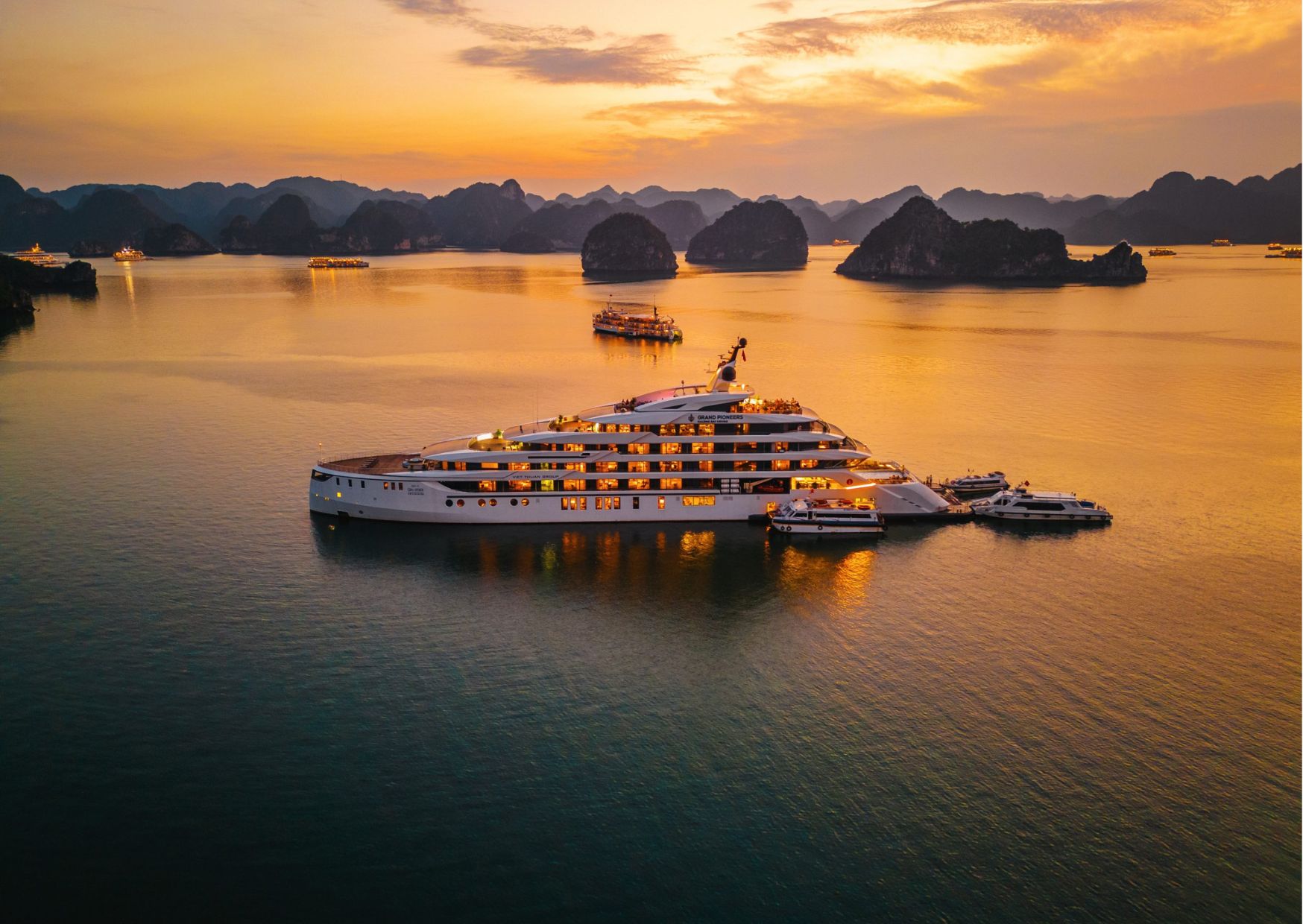
- Luxury cruise upgrades beyond the standard Ha Long overnight: The Ambassador Signature Cruise, Grand Pioneers Cruise, and Majesty Prime Cruise all offer butler service, infinity pools, live jazz performances, and gourmet dining. For groups from the Middle East and Western markets, these vessels offer experiences comparable to Mediterranean luxury yachting at a fraction of the cost. The market has also diversified: the Heritage Line Ylang targets the wellness segment, and the Aimee Cruise focuses on gastronomy and culinary storytelling.
- Helicopter tours: Overflights of Ha Long Bay, the Da Nang coastline, and the Mekong Delta are fully operational in 2026. Booking slots are consistently sold out, which signals strong demand from the HNWI segment. Offering a helicopter transfer or sightseeing flight as a standard inclusion rather than an optional upgrade signals a tier of service that most competing itineraries are not yet providing.
1.5. The Rise of Secondary Luxury Destination
Agoda data cited in CNBC’s Global Tourism Trends 2026 report shows that searches for accommodation in secondary destinations across Asia are growing more than 15% faster than searches for traditional tourist hubs. In Vietnam, this reflects a clear pattern: clients who have already visited Ha Long Bay and Hoi An are actively looking for something more exclusive, less crowded, and more genuinely off the tourist circuit.
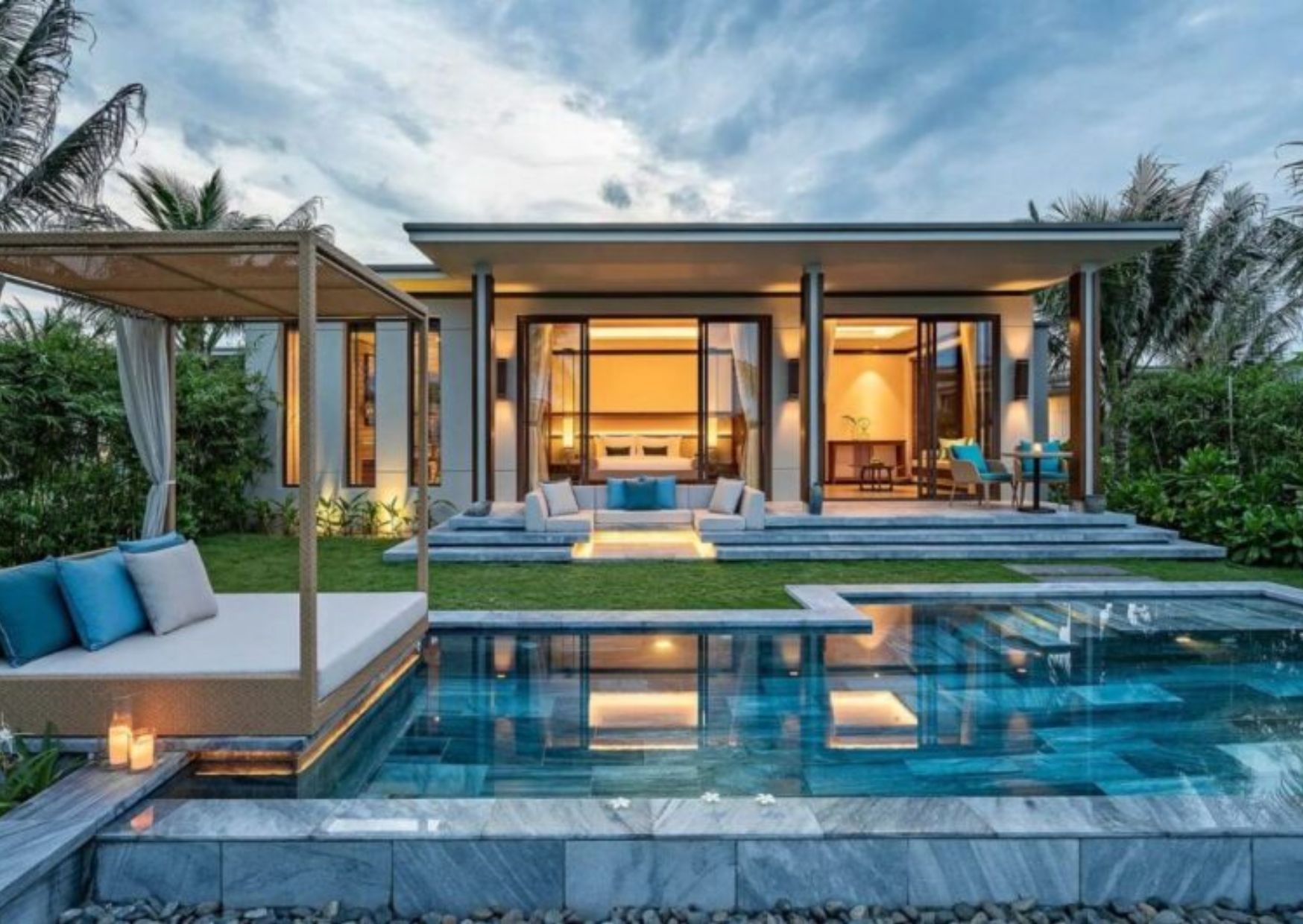
- Quy Nhon (Binh Dinh Province) offers pristine beaches without the visitor density of Da Nang or Nha Trang. The Vietage Train now makes it elegantly accessible. New luxury resort projects came online in 2025 and 2026, and the destination retains an authentic quality that more established beach towns in Vietnam have lost. It is the answer for clients who want the Vietnamese coastline at its most undiscovered.
- Phong Nha (Quang Binh Province) sits around the world-class Phong Nha-Ke Bang cave system, with emerging luxury glamping experiences that combine underground exploration with genuine wilderness accommodation. No other destination in Vietnam replicates this adventure-luxury hybrid, and it is particularly compelling for Western clients who have exhausted the standard itinerary.
- Con Dao Islands are as close to a private island experience as Vietnam offers without chartering a yacht. Visitor numbers are naturally limited by the island’s protected status. Six Senses Con Dao is among the finest resort properties in Southeast Asia. The destination carries a layered historical narrative (the islands served as a French and later American-era penal colony) that adds cultural and emotional depth to the natural beauty. Con Dao is the destination clients research themselves and then call to ask whether you can arrange it.
- Ha Giang Loop in the northernmost mountains serves the luxury trekking and ethnic cultural immersion market. Private 4WD tours, upscale homestay accommodation, and itineraries designed around accessing H’mong and Dao minority communities in a respectful and premium context are gaining traction among Western, Australian, and Northern European travelers who want depth of cultural engagement rather than surface-level sightseeing.
- Ninh Binh saw search interest nearly triple year-on-year in 2026. A standalone two-night add-on from Hanoi with private boat tours through the limestone landscape offers genuine spectacle without Ha Long Bay’s crowds, making it a strong alternative or complement for clients who want the karst scenery in a more intimate setting.
1.6. Sustainable Luxury: Responsible Travel Without Compromise
The Virtuoso 2026 Luxury Travel Report confirms that climate change and environmental impact are now active decision factors for luxury travelers, particularly from Western Europe, North America, and Australia. Vietnam’s government has explicitly aligned its national tourism strategy with this shift, targeting sustainable, high-spend tourism rather than mass-arrival volume.
Vietnam’s eco-luxury ecosystem is developing at pace. Leading properties include eco-resorts on Con Dao operating marine conservation programs and powered largely by solar energy, boutique lodges in the Central Highlands running community employment initiatives, and cruise operators on Ha Long Bay transitioning to hybrid-electric vessels as part of the bay’s environmental protection framework.
Beyond accommodation, sustainable luxury in Vietnam takes three specific forms that agents can actively sell:
- Community-based cultural experiences: Private weaving workshops with H’mong artisans in Sapa, pottery sessions at Bat Trang village near Hanoi, or a private cooking class at a cooperative farm in the Mekong Delta. These are not “village visits.” They are curated, premium experiences designed around genuine skill transfer and cultural exchange, and they directly support local income in communities that need it. For clients from markets where conscious consumption is standard, this is a strong differentiator.
- Low-impact adventure: Kayaking through the caves of Phong Nha, cycling through the Ninh Binh countryside, or trekking Ha Giang with a private guide who is a member of the local ethnic minority community. These activities leave minimal environmental footprint while delivering maximum experiential value.
- Conscious dining: A growing number of fine-dining restaurants in Hanoi and Ho Chi Minh City now source entirely from local farms with transparent supply chain information available at the table. For Western clients who ask sustainability questions before they ask about price, this is a meaningful signal that Vietnam’s hospitality sector is maturing.
2. What These Trends Mean for Your Vietnam Proposals in 2026?
Taken together, these six Vietnam luxury travel trends point in a single consistent direction. The most valuable clients are looking for experiences that feel impossible to arrange alone, that connect them genuinely with the destination, and that leave them with stories rather than just photographs.
Below are three principles for building stronger Vietnam proposals in 2026:
- Design around moments, not itineraries: Luxury clients are not buying a sequence of destinations. They are buying three or four peak moments: the seaplane landing on the bay, the private candlelit dinner in the Citadel, the sunrise yoga session on the cruise deck. Identify those anchor moments first, then build the logistics around them.
- Introduce secondary destinations proactively: Do not wait for a client to mention they have already been to Ha Long Bay. Ask it as a standard qualification question on every Vietnam inquiry. Clients who have visited Vietnam before have a strong appetite for hidden destinations, and they will book with the agent who knows about Con Dao or Phong Nha before they discover it themselves online.
- Package transport as product: Every domestic transfer in Vietnam is an upsell opportunity. The seaplane, the luxury train, and the private cruise embarkation are all billable experiences. Presenting them as curated elements of the journey rather than logistics lines differentiates your proposal immediately.
In conclusion, Vietnam’s luxury travel market is not just growing, it is redefining what “luxury” means in Southeast Asia. The shift is clear: from visible opulence to meaningful access, from fixed itineraries to fluid, personalized journeys, and from well-known destinations to places that still feel undiscovered. The winner will be those who design with intention, introduce destinations before clients ask for them, and consistently deliver experiences that feel rare, personal, and worth talking about long after the journey ends.
