
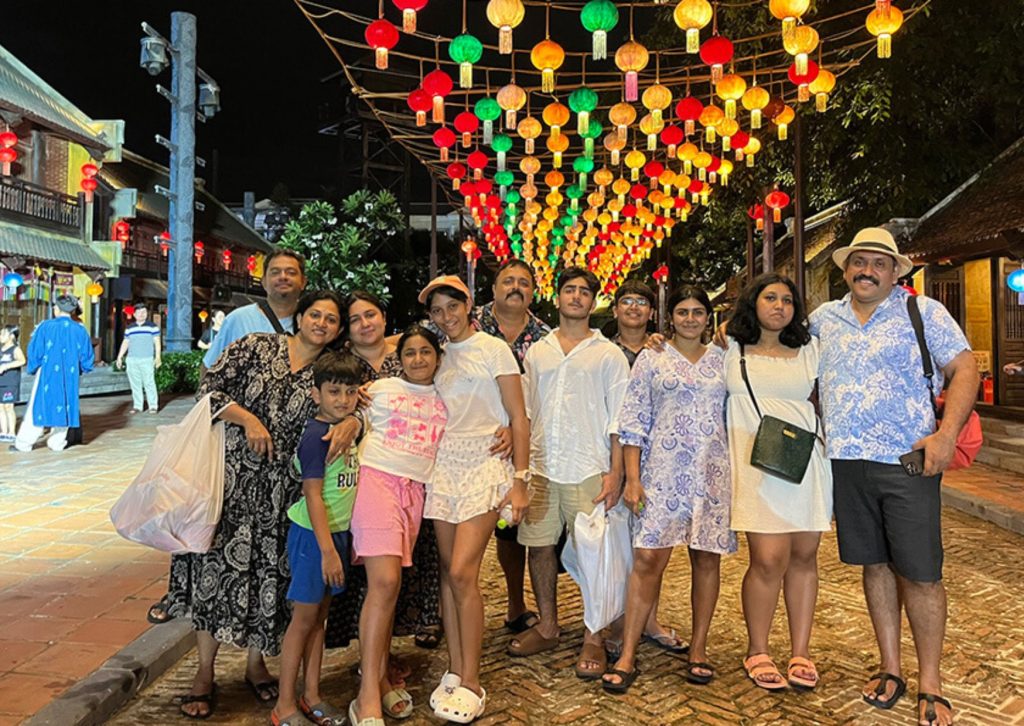
Choosing the right Vietnam DMC is not just about pricing or itinerary ideas. It directly impacts your client satisfaction, operational risk, and long-term business reputation. In today’s travel industry, where travelers expect seamless, high-quality experiences, it’s important for travel agencies to ask the right questions upfront so that they can avoid making mistakes.
In this guide, we provide a generic Vietnam DMC checklist that highlights the critical questions that experienced travel professionals actually use when evaluating a Vietnam DMC.
1. Questions to Ask Your Vietnam DMC (Before You Sign Any Contract)
Vietnam has transformed significantly in recent years. It is no longer just a budget-friendly destination but increasingly a high-value, experience-driven market. With this shift comes greater complexity in operations, higher expectations from travelers, and less tolerance for service failures.
In this context, a DMC is not just a supplier. They become your operational backbone, your problem-solver, and ultimately your brand representative in the destination. The questions you ask early on are not just for information but a way to assess whether your partner can protect your business when it matters most.
1.1. Company Credibility and Local Expertise
One of the first areas to explore is the DMC’s credibility and depth of local expertise. While many companies may claim years of experience, what truly matters is whether that experience aligns with your specific market and business model. A DMC that performs well in leisure FIT travel may not necessarily have the capability to handle large MICE groups or high-end luxury clients.
By asking about their key markets, recent projects, and case studies, you gain insight into whether they understand your customers’ expectations. This is particularly important in Vietnam, where cultural nuances, service styles, and even meal preferences can vary greatly depending on the source market.

1.2. Operations and On-ground Execution
Operational capability is where the real difference between DMCs becomes visible. A well-designed itinerary means little if execution fails on the ground. Transportation delays, mismanaged schedules, or lack of coordination between suppliers can quickly turn a good program into a negative experience.
Understanding whether a DMC owns its fleet, how it manages peak season demand, and how it handles last-minute changes provides a clearer picture of its operational strength. These questions reveal how resilient and reliable the DMC is under pressure.
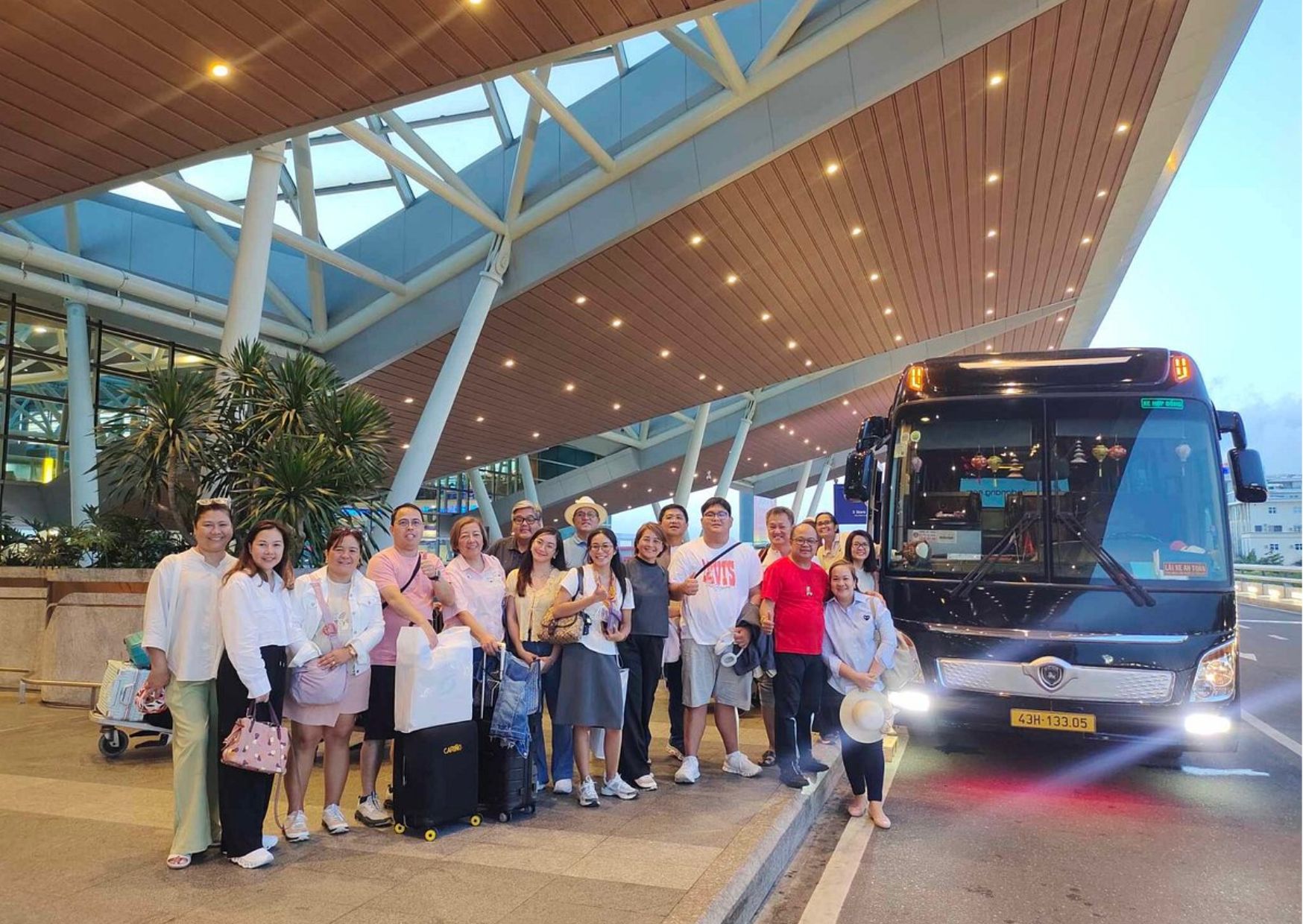
1.3. Pricing Transparency and Cost Control
Pricing is often the first factor that attracts attention, but it should never be evaluated in isolation. A lower quotation may hide exclusions, unclear conditions, or future surcharges that can create complications later.
By asking detailed questions about what is included, how pricing is structured, and how fluctuations are handled, you can better understand the true cost of working with a DMC. Transparency at this stage is a strong indicator of professionalism and helps build trust in a long-term partnership.
1.4. Product Customization and Market Fit
Modern travelers are no longer satisfied with standard itineraries. They expect experiences that reflect their interests, preferences, and travel styles. This is why customization has become a key factor when choosing a Vietnam DMC.
A capable DMC should be able to adapt programs to different markets, whether it involves designing culturally appropriate experiences, adjusting pacing for European travelers, or ensuring specific requirements such as Indian cuisine or halal meals. The ability to customize reflects how well the DMC understands your clients.
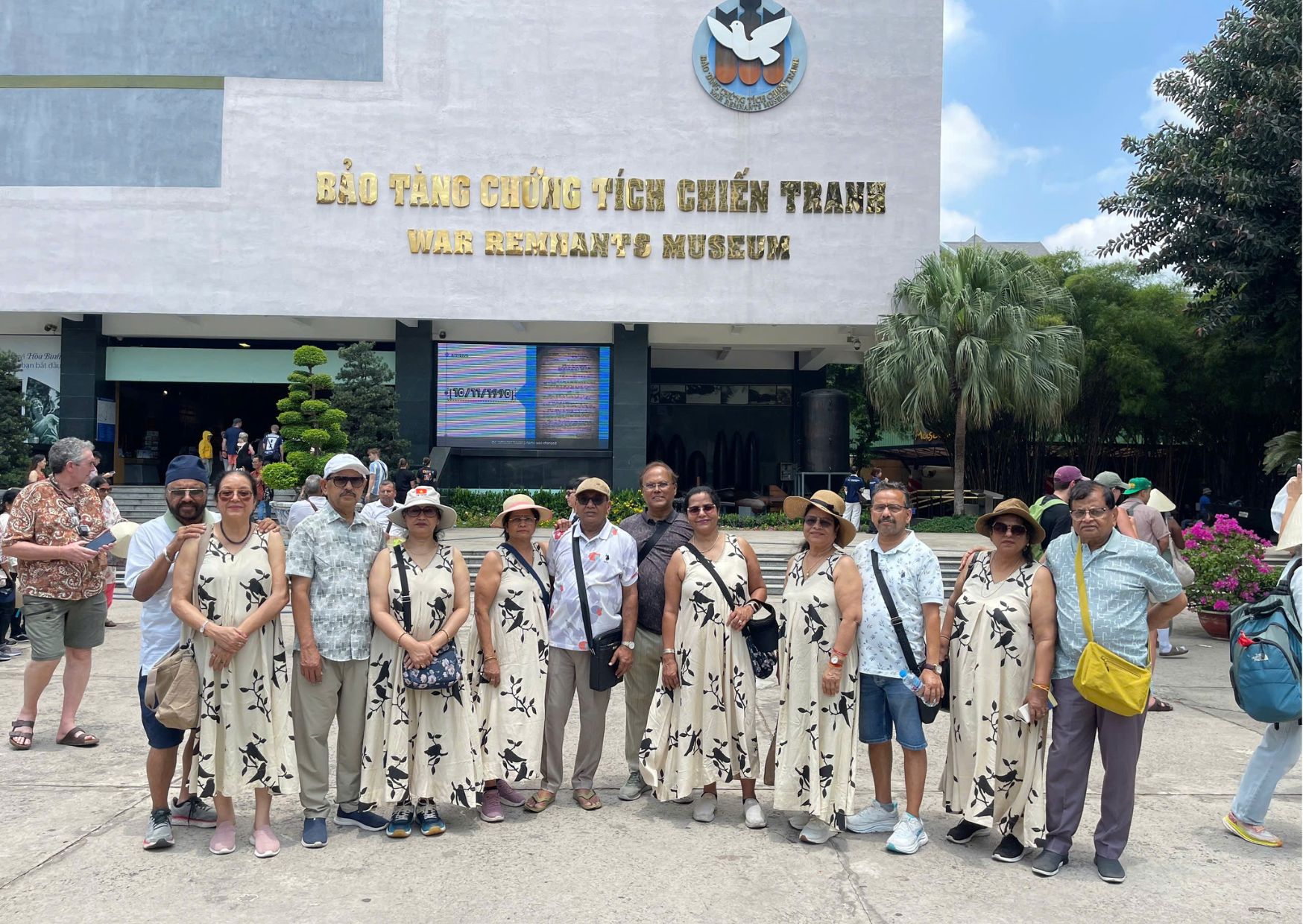
1.5. Crisis Management and Flexibility
Modern travelers are no longer satisfied with standard itineraries. They expect experiences that reflect their interests, preferences, and travel styles. This is why customization has become a key factor when choosing a Vietnam DMC.
A capable DMC should be able to adapt programs to different markets, whether it involves designing culturally appropriate experiences, adjusting pacing for European travelers, or ensuring specific requirements such as Indian cuisine or halal meals. The ability to customize is not just about creativity—it reflects how well the DMC understands your clients.
1.6. Communication and Responsiveness
In B2B travel, timing is everything. Delayed responses can result in lost opportunities or operational confusion, especially when dealing with urgent requests or last-minute adjustments.
Understanding how a DMC manages communication helps you evaluate how easy and efficient the collaboration will be. Strong communication is often one of the most underestimated factors, yet it plays a critical role in ensuring smooth operations.
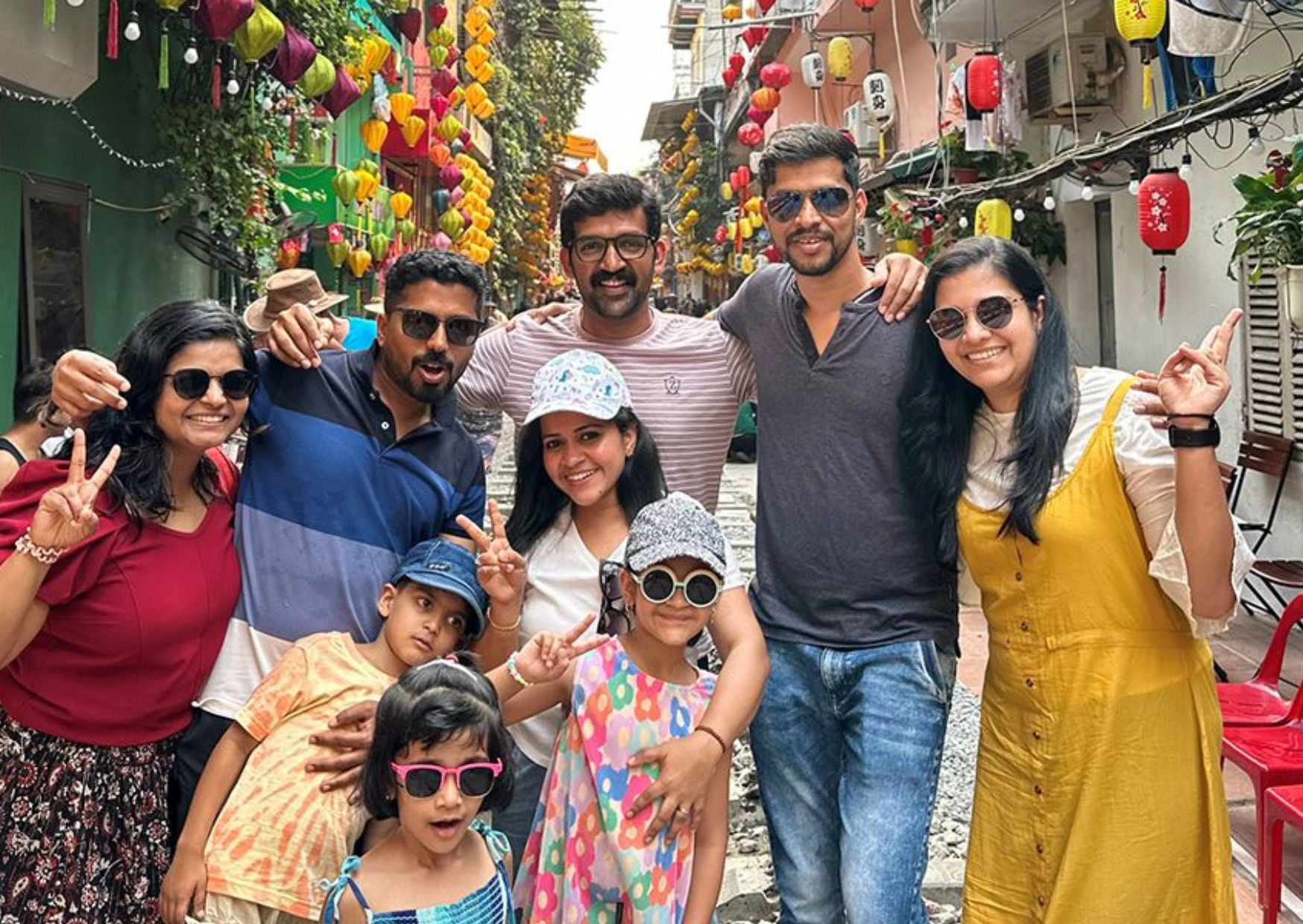
1.7. F&B and Special Requirements (Critical for Groups)
Food and beverage arrangements are often overlooked during the planning stage, but they can significantly impact the overall travel experience, especially for group tours. Handling large groups requires not only capacity but also coordination, timing, and consistency in service quality.
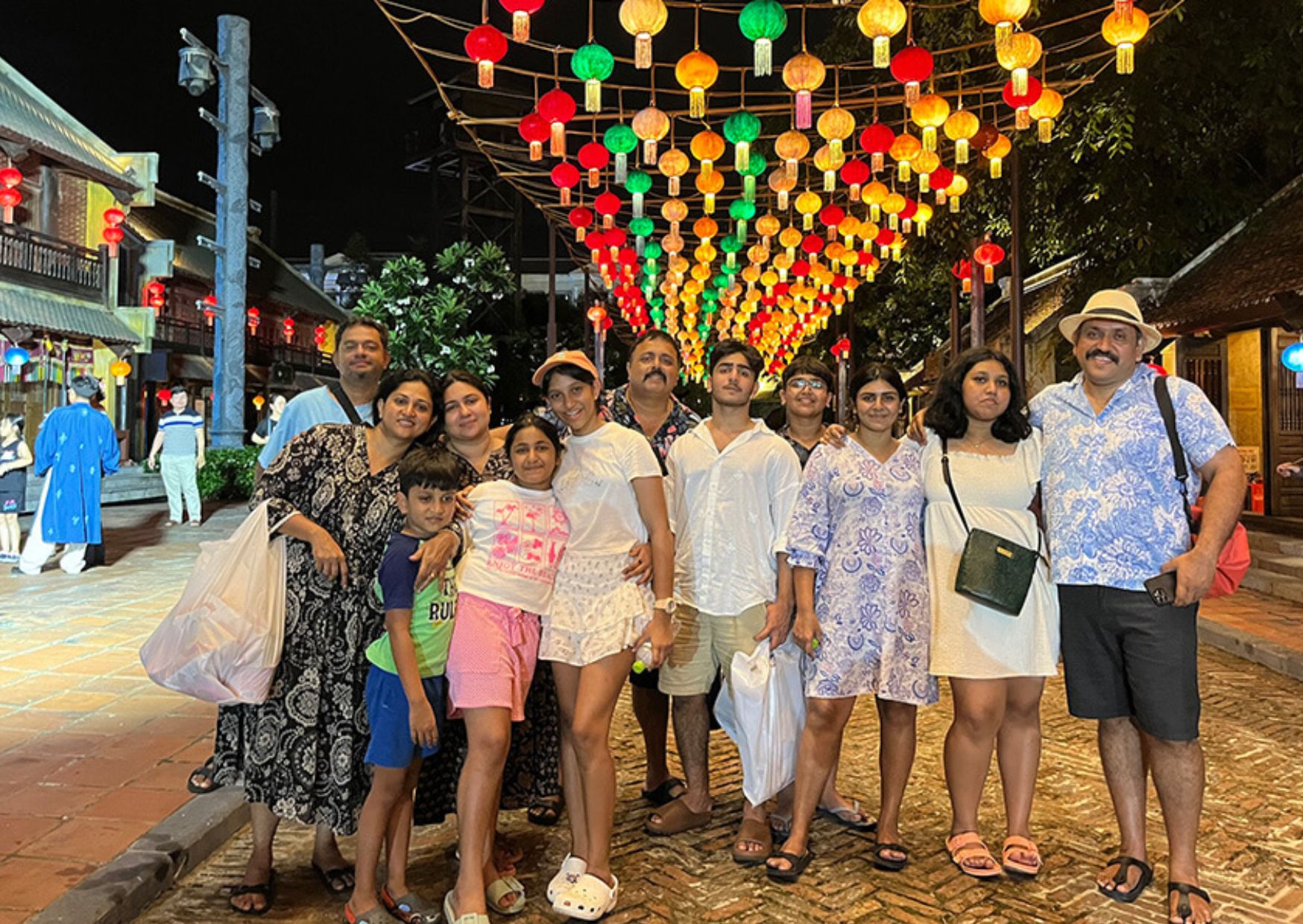
A professional Vietnam DMC should be able to manage group dining efficiently, accommodate dietary requirements, and deliver culturally appropriate meals. This is particularly important for markets with specific expectations, where food is a central part of the travel experience.
1.8. Technology, Reporting and Scalability
As your business grows, your operational needs become more complex. Working with a DMC that relies entirely on manual processes can limit your ability to scale and maintain consistency.
Understanding whether the DMC uses systems for booking management, reporting, and coordination can give you insight into their long-term capability. Technology reflects how prepared the DMC is to support your growth and handle multiple projects simultaneously.
Selecting the right Vietnam DMC is not about finding the cheapest option or the most well-known name. It is about identifying a partner who understands your business, aligns with your standards, and can consistently deliver high-quality experiences on the ground.
By asking the right questions from the beginning, you are actively reducing risk, improving collaboration, and setting the foundation for a successful partnership in Vietnam.
