
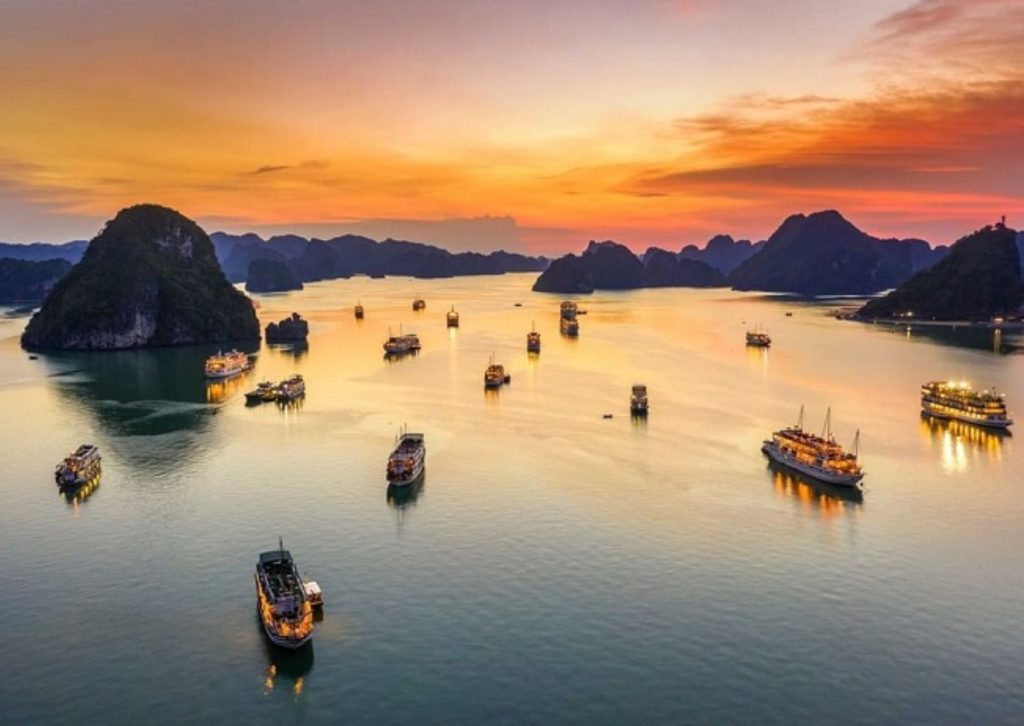
Every year, dozens of tour operators and travel agencies contact us after making the same costly mistake: they booked a 40-person group trip to Hoi An in October without realizing the central coast floods in late October, stranding their clients and forcing last-minute reroutes. Choosing the right season for Vietnam group travels is not simply a matter of checking a weather app. It is a logistics decision that affects accommodation availability, transportation options, guide capacity, and ultimately, the reputation of the operator placing the booking.
In this guide, we provide comprehensive information about the best season for Vietnam group travels from the perspective of an inbound Vietnam B2B DMC.
1. Why does season matter more for group travel than solo travel?
A solo traveler caught in Hanoi’s drizzly February can duck into a café and adjust their plan spontaneously, but a group of 60 cannot. When you are coordinating block room allocations at a 4-star property, charter coach availability, and a licensed bilingual guide for a 10-day itinerary, every decision must be made weeks or months in advance. A wrong season call cascades into dozens of compounding problems.
Several problems can occur for group travel when the season shifts:
- Hotel availability and room block pricing fluctuate dramatically between peak and off-peak periods, with some properties in Ha Long Bay and Da Nang requiring confirmed deposits 6 months ahead during high season.
- Charter transportation costs for groups of 30 or more increase by 20 to 40 percent during the Tet holiday window and summer school holidays.
- Guide availability, especially for multilingual guides in English, French, German, or Korean, becomes critically constrained from late November through February in the north and June through August in the central and south.
- Road and rail infrastructure in certain regions becomes genuinely unreliable during monsoon periods, which is manageable for a single traveler but unacceptable when you are responsible for a corporate incentive group or a heritage tour for senior travelers.
2. Vietnam’s climate zones and how they affect group itineraries
Vietnam stretches over 1,650 kilometers from north to south, and the country operates under three distinct climate systems. This is the single most important fact any group travel planner must internalize before committing to an itinerary.
2.1. Northern Vietnam (Hanoi, Ha Long Bay, Ninh Binh, Sapa, Ha Giang)
The north is the only part of Vietnam with four recognizable seasons, giving it a climate character closer to subtropical southern China than to the tropical destinations most visitors associate with Southeast Asia.
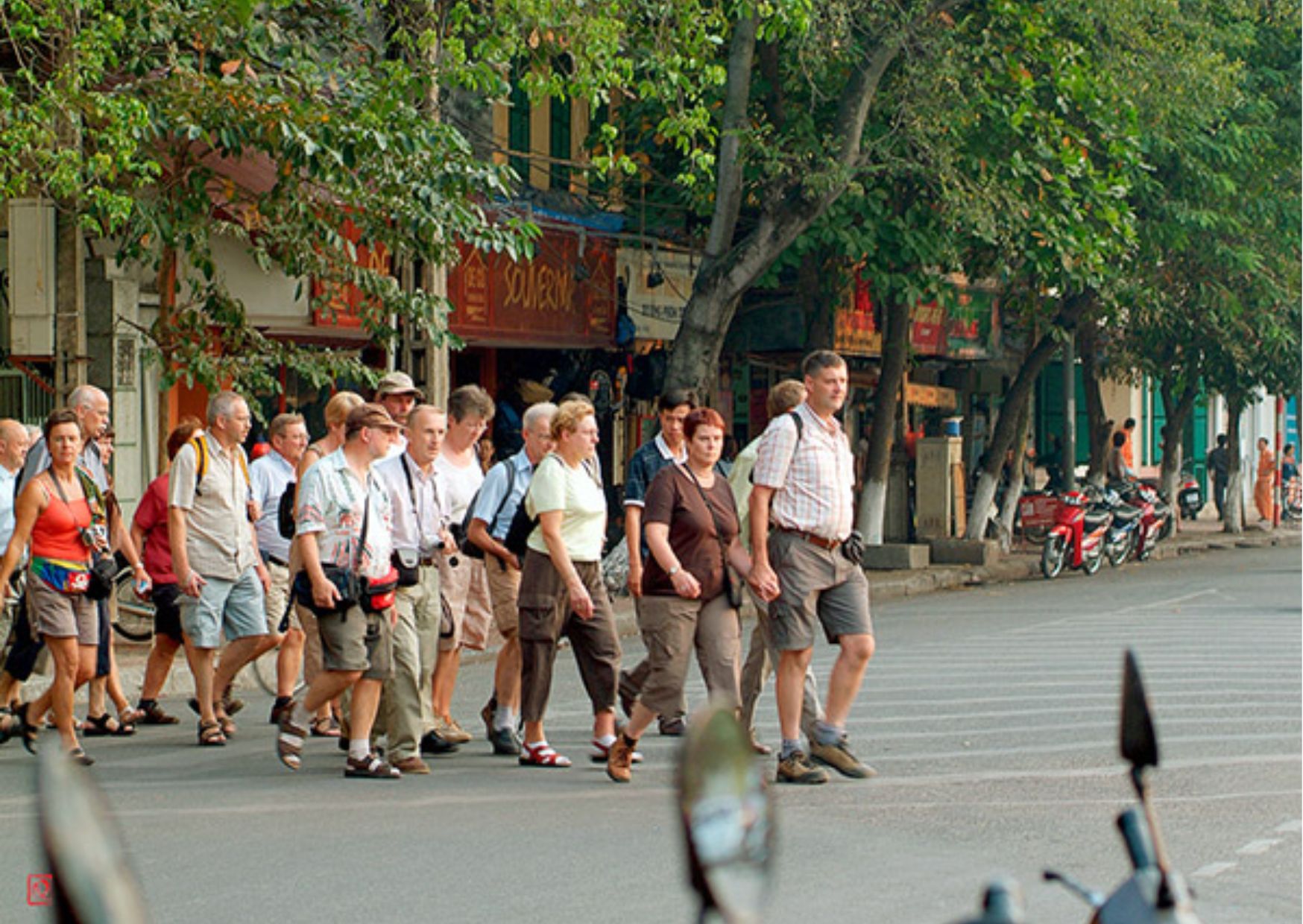
- Spring arrives in March and April, bringing temperatures of 20°C to 26°C in Hanoi and genuine warmth in the lowlands. This is one of the two premium windows for northern group tours. Sapa and Ha Giang remain cool at altitude (12°C to 18°C) but are reliably accessible and visually stunning as the landscape greens after winter.
- Summer runs from May through September. Hanoi becomes genuinely hot and humid, with average highs of 33°C to 36°C in June and July, and recorded peaks occasionally exceeding 40°C during heat waves. Afternoon thunderstorms are frequent from June onward, and Typhoon-related rain bands can reach the north from August through October, occasionally causing flooding in lower-lying areas of Hanoi and along Ha Long Bay. The northern highlands paradoxically offer relief during this period, with Sapa temperatures sitting at a comfortable 18°C to 22°C in summer, which is why trekking groups often schedule highland itineraries for June and July.
- Autumn, specifically October and November, is widely regarded by experienced Vietnam operators as the finest season in the north. Hanoi temperatures fall to 22°C to 28°C with low humidity and exceptional air clarity. Ha Long Bay enters its calmest sea state of the year. The northern highland rice terraces in Mu Cang Chai and Hoang Su Phi reach full golden harvest color in late September and early October, a visual spectacle that has made this period increasingly competitive for group bookings.
- Winter runs from November through February. Hanoi temperatures drop to between 15°C and 19°C on average. The cold is compounded by persistent drizzle and low cloud cover, a weather pattern locals call “nồm” (húmid cold), which is more penetrating than dry cold of the same temperature. Outdoor humidity sits at 80 to 90 percent during these months. For groups that include senior travelers or those unaccustomed to damp cold, this period requires thoughtful itinerary design with more indoor elements.
2.2. Central Vietnam (Hue, Da Nang, Hoi An, Phong Nha, Quy Nhon)
The central coast is governed by a monsoon system that runs in near-perfect opposition to the south. While the rest of Vietnam is at its driest and most visitor-friendly between November and April, the central coast is receiving the bulk of its annual rainfall during precisely those months. This counterintuitive dynamic is the single most common planning error made by operators unfamiliar with Vietnamese regional climates.
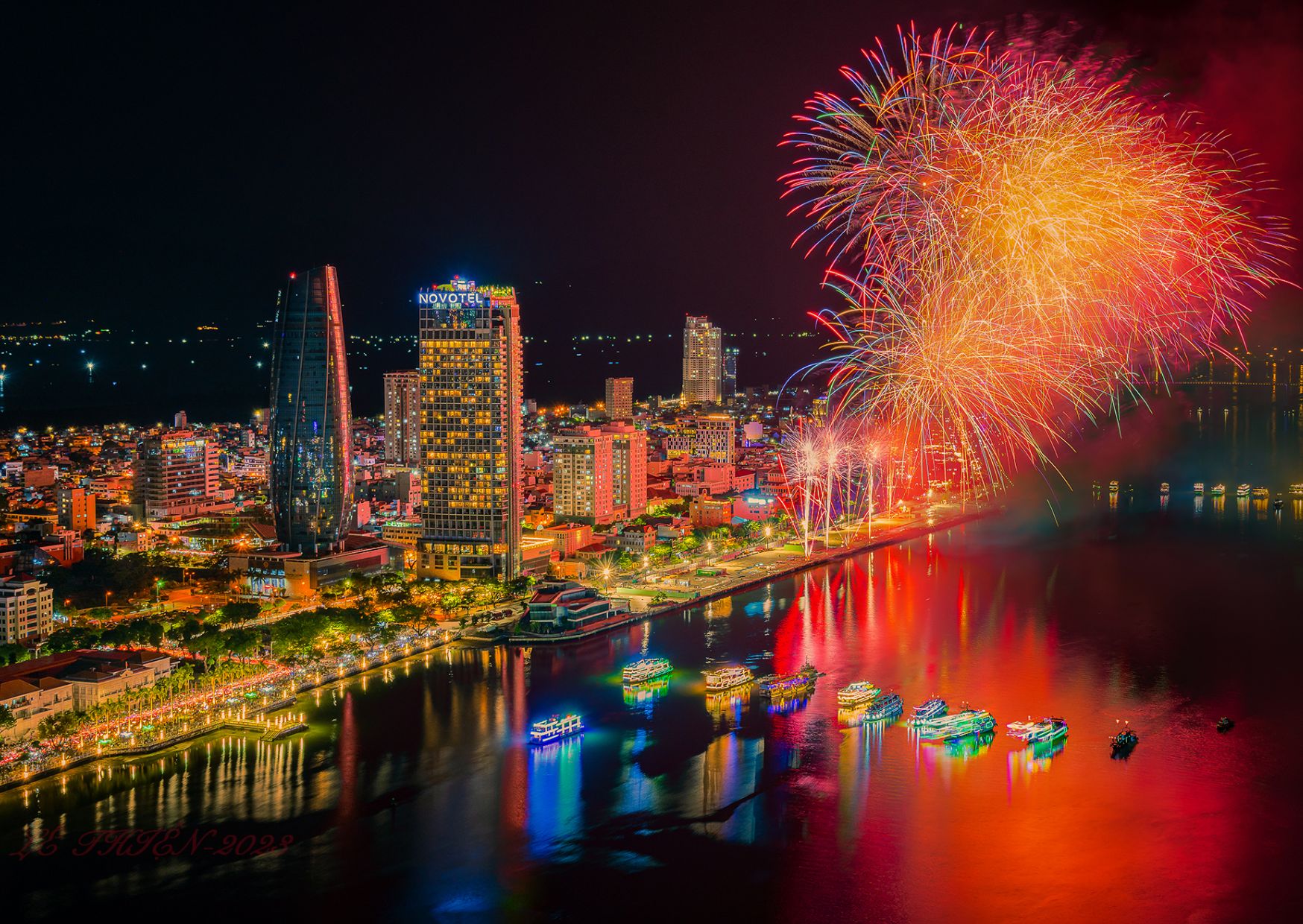
- The dry and clear season in central Vietnam runs from approximately February through August. Da Nang averages daily highs of 28°C to 33°C during this window, with July and August being the hottest months at 33°C to 35°C. Sea temperatures along the coast reach 28°C to 30°C in summer, making these months ideal for beach-focused group programs. Humidity is moderate at 65 to 75 percent, meaningfully lower than the northern summer or southern wet season. Hoi An during March to May is arguably one of the most comfortable urban environments in all of Southeast Asia for walking-intensive cultural tours: warm without being punishing, dry without being arid, and consistently beautiful.
- The wet season arrives on the central coast from September onward and intensifies through October and November. This is the region’s typhoon window. Vietnam’s central coast, particularly the stretch between Da Nang and Nha Trang, sits in the path of western Pacific typhoons that form over the South China Sea from August through December. October is statistically the highest-risk month: average rainfall in Da Nang during October exceeds 550 millimeters, compared to just 37 millimeters in June. Hoi An’s famous Ancient Town sits at the confluence of the Thu Bon River and is directly vulnerable to flooding during this period. River levels can rise by 1 to 2 meters within 24 hours during a major rain event, and the town center has flooded to knee depth or higher on multiple occasions in recent October and November periods. Any group itinerary that places clients in Hoi An in October without a clear contingency plan and evacuation protocol is taking an unacceptable operational risk.
Temperatures during the Central Coast wet season remain warm at 22°C to 27°C, but the combination of heavy rain, wind, and flooding risk makes this period unsuitable for most group programs without significant rerouting.
2.3. Southern Vietnam (Ho Chi Minh City, Mekong Delta, Phu Quoc, Con Dao, Mui Ne)
The south operates on the most straightforward climate model of the three zones: a well-defined dry season from November through April and a wet season from May through October. Unlike the north’s four seasons or the central coast’s high-consequence typhoon window, the southern wet season is generally manageable. Rain falls in concentrated afternoon and evening downpours of 1 to 2 hours rather than the multi-day continuous rain of the north and central regions, and mornings are typically clear.
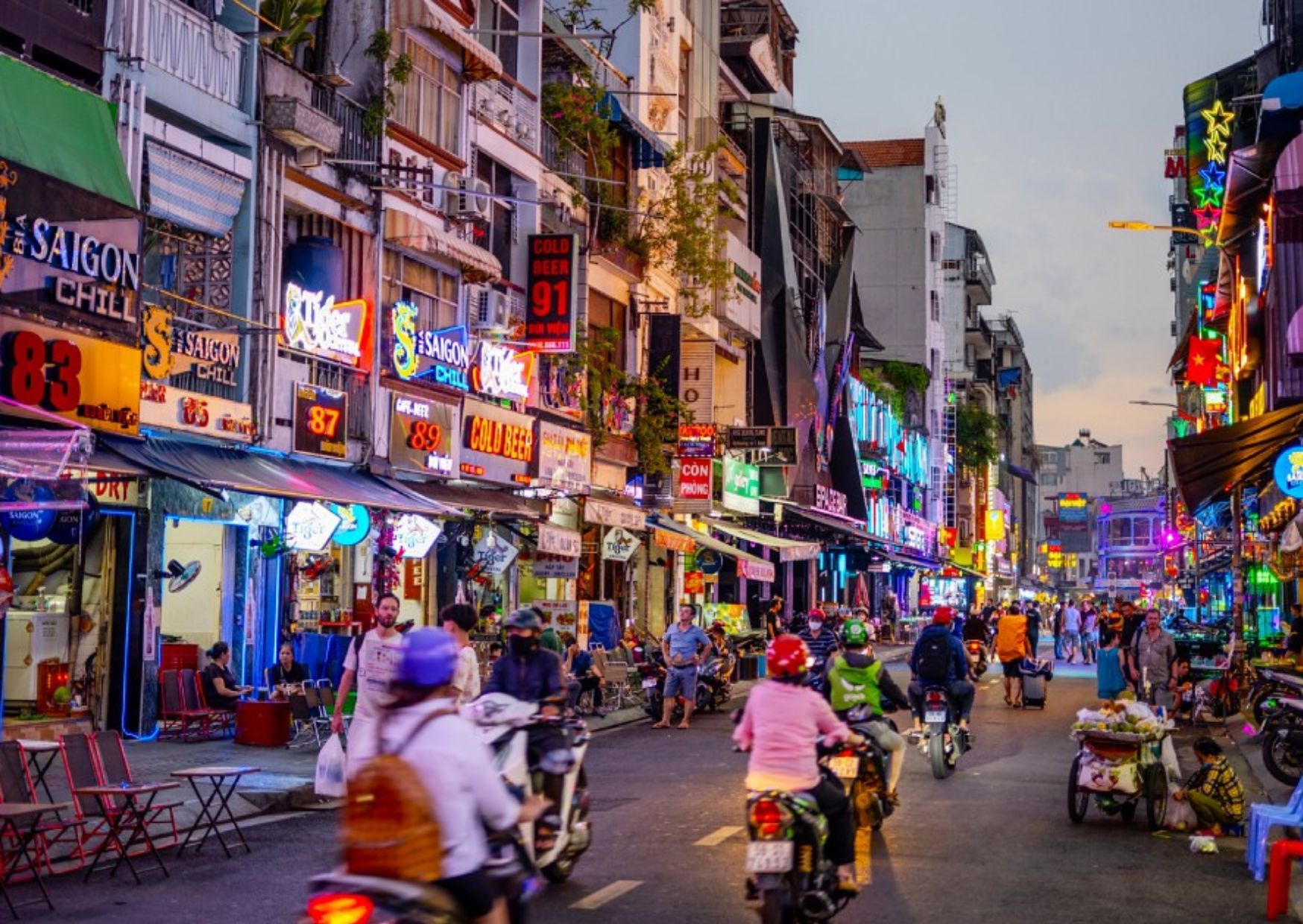
- During the dry season, Ho Chi Minh City averages daily highs of 32°C to 34°C with low humidity and blue skies. December and January are the peak months for visitor comfort, with slightly cooler evenings around 23°C to 25°C. Phu Quoc Island during this period offers sea conditions calm enough for reliable snorkeling and island-hopping, with wave heights averaging below 0.5 meters and sea temperatures of 27°C to 29°C.
- The southern wet season brings significant rainfall accumulation but rarely the operational disruption that central coast storms create. Ho Chi Minh City receives approximately 1,800 to 1,900 millimeters of annual rainfall, with the majority falling between June and September. Average wet season highs remain at 30°C to 32°C, and the rain’s cooling effect actually makes afternoon temperatures more tolerable than the dry season’s peak heat in March and April, when Ho Chi Minh City regularly hits 37°C to 38°C before the rains arrive. The practical challenge of the southern wet season for group programs is street flooding in Ho Chi Minh City after heavy downpours, which can delay coach transfers by 30 to 60 minutes, and the unsuitability of Phu Quoc and Con Dao for beach programs from June through September when waves and rain make island experiences unreliable.
- The Mekong Delta presents a specific seasonal dynamic worth noting for group operators. The annual flood season from August through October actually transforms the delta’s landscape into something more visually spectacular than the dry season version: rice fields submerge, floating markets become more active, and the waterways expand dramatically. Small-boat exploration during this period offers a genuinely different and compelling experience for groups, provided ground logistics account for road sections that become impassable and accommodation options in lower-lying areas that may be affected by high water.
3. Best season by travel styles
Different group profiles have different priorities, and the ideal season shifts accordingly.
- Cultural and heritage groups focusing on Hanoi, the northern highlands, Hue, and Hoi An perform best in the October to April window. Cooler temperatures in the north make walking tours, temple visits, and market exploration comfortable for older travelers and those unaccustomed to tropical heat. The quality of light in November and December is also exceptional for photography-focused groups.
- Beach and resort incentive groups targeting Da Nang, Phu Quoc, or Nha Trang should concentrate bookings between March and August. This window captures the central coast dry season while avoiding the worst of the southern wet season. Groups visiting Phu Quoc specifically should target November through March for the calmest seas and most reliable snorkeling conditions.
- Trekking and adventure groups heading to Sapa, Ha Giang, or Pu Luong operate best in September to November or March to May. The September to November period is particularly spectacular in the northern highlands because rice terraces turn golden before harvest, making it one of the most visually dramatic periods in the Vietnamese travel calendar. However, this also means the roads to Ha Giang are busy with domestic visitors on weekends, a factor that affects group logistics.
- Corporate incentive and MICE groups generally require the most predictable weather and highest infrastructure reliability. For these clients, we consistently recommend April, November, or early December as the three most dependable months across multiple Vietnam destinations simultaneously.
- Culinary and food tour groups can travel almost year-round, but the post-harvest period from October through December in the north aligns beautifully with regional specialties like com (green rice flakes) in Hanoi and seasonal dishes tied to the agricultural calendar.
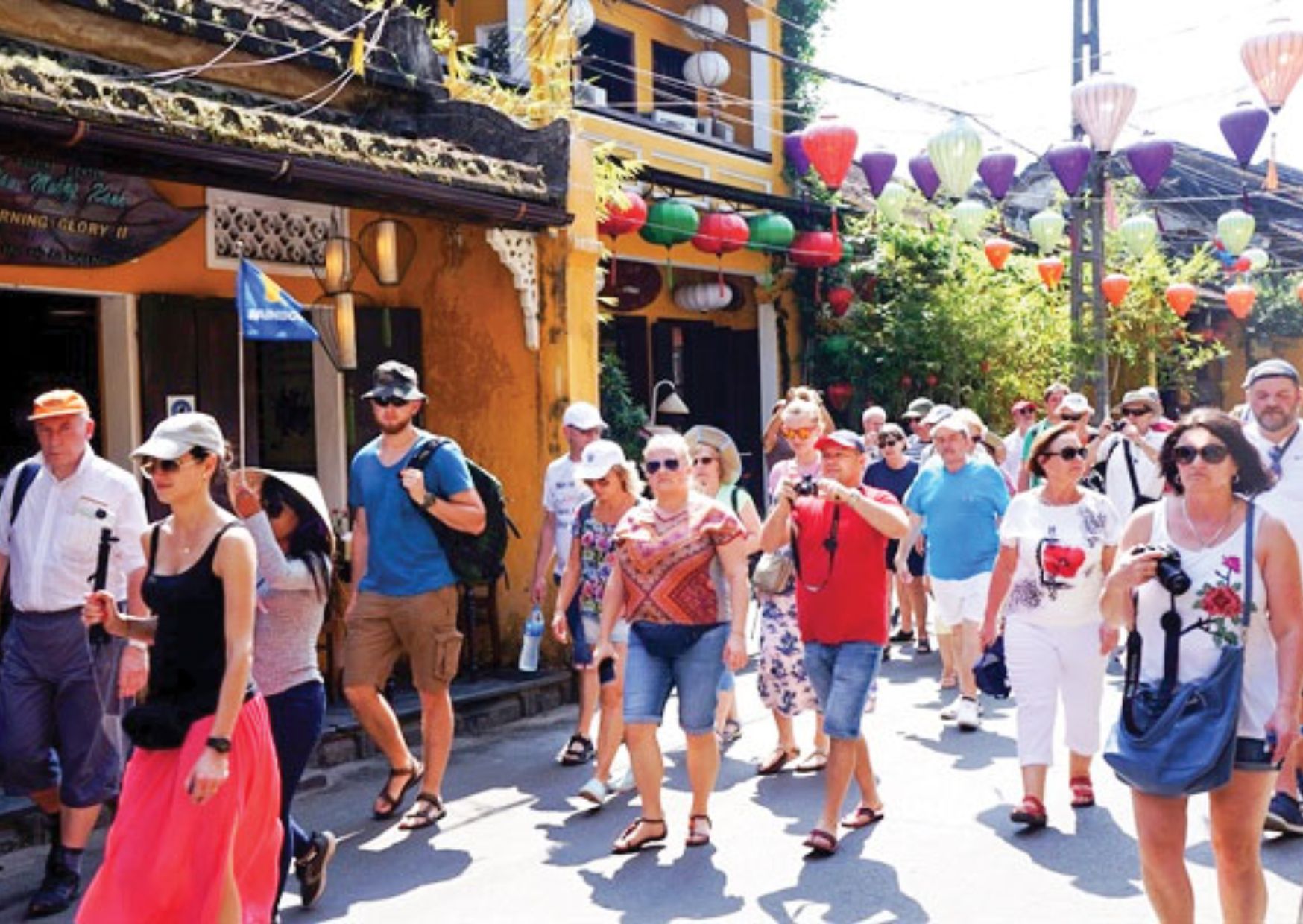
4. Peak season consideration for group booking
The period from late November through early March represents the combined peak of foreign arrivals (dry season in the south) and domestic travel (Tet holiday, school breaks). Group operators who underestimate the infrastructure pressure during this window consistently face three specific problems.
First, accommodation in Ha Long Bay and Hoi An reaches near-total saturation during late December and the Tet holiday window. Properties that quote reasonable rack rates in September will apply peak surcharges of 30 to 80 percent during these periods, and room blocks for groups of 20 or more must be reserved and deposited at least 4 to 6 months in advance.
Second, the Tet holiday period, which falls in late January or early February depending on the lunar calendar, effectively shuts down domestic transportation networks for approximately one week. Drivers, guides, restaurant staff, and boat crews travel to their home provinces, and replacement resources are extremely limited. Any group arriving during the 5 days before or after Tet Nguyen Dan must account for significantly reduced service options and higher costs.
Third, international flight capacity into Hanoi and Ho Chi Minh City fills quickly during the December to January peak, which affects group flight allocations and can force operators to book connecting routings through Bangkok or Singapore rather than direct services.
5. Shoulder Season: The Hidden Sweet Spot for DMCs
Experienced group travel buyers who work with a professional Vietnam B2B DMC often discover that the most logistically sound and commercially competitive itineraries are built around the shoulder seasons: April and October to early November.
April sits in a brief window of alignment across all three climate zones. The north has warmed from winter but the heavy summer rains have not yet arrived. The central coast is at its driest and clearest before the summer crowd from domestic beach tourism arrives. The south is still technically in its dry season, though temperatures are climbing. A skilled DMC can design a seamless north-to-south itinerary in April that experiences genuinely good weather across every destination without the accommodation pressure of the November to March peak.
October and early November represent a similar opportunity for experienced operators, but with important nuance. October is the single highest-risk month for typhoons on the central coast, meaning the Ha Long Bay to Hoi An to Ho Chi Minh City routing that works beautifully in April must be reversed or restructured in October. Groups that begin in the south in early October and move north to Hanoi in late October and November arrive to some of the most spectacular weather the northern highlands offer all year. The rice harvest is complete, the skies are clear, and the crowds have not yet peaked.
The commercial advantage of shoulder season for operators is significant. Hotel partners offer better net rates, guides have more availability and lower fatigue levels, and restaurants can deliver more attentive service to large groups. These operational advantages translate directly into higher review scores and repeat bookings.
6. Practical Tips for Planning Vietnam Group Travel
Running group tours across Vietnam is a discipline that rewards preparation and punishes assumptions. Over years of operating programs ranging from small private journeys to large-scale corporate incentive trips, the patterns of what goes wrong are remarkably consistent: operators who researched the destination thoroughly but did not account for the operational realities of moving a group through it at a specific time of year. The tips below are not generic travel advice.
- Book accommodation a minimum of 4 to 6 months ahead for any group above 20 people traveling between November and February. For groups above 50 people during peak periods, 8 to 12 months of lead time is not excessive.
- Structure itineraries to chase good weather rather than fight it. Vietnam’s geographic length makes it possible to design routes that move with the dry season rather than committing an entire group to one region. A north-to-south routing in April and a south-to-north routing in November are the two most weather-resilient structures.
- Always build a weather contingency protocol into group contracts. Even in the best months, Vietnam can produce unexpected weather events. Professional group operators specify in writing how itinerary adjustments will be handled if a typhoon, flooding, or road closure affects the original plan. A reliable DMC partner will have pre-negotiated alternative suppliers and rerouting protocols ready.
- Factor in domestic holiday periods even when they are not national holidays. Vietnamese school summer break (June to August) creates significant domestic travel pressure on beach destinations and mountain retreats. Groups targeting these periods need to account for elevated noise levels, longer queues at attractions, and reduced intimacy at heritage sites.
- Plan physical difficulty levels according to seasonal heat. A walking-heavy cultural itinerary through Hue and Hoi An in July, when temperatures regularly exceed 38 degrees Celsius, requires very different pacing and scheduling than the same itinerary in December. For groups with senior members or those unaccustomed to tropical climates, the cool season in the north (November to February) and the stable dry season in the south offer the most physically comfortable conditions.
Choosing the right season is only the first decision in a long chain of planning choices that determine whether a Vietnam group tour becomes a signature program your clients request year after year or a logistical headache you rebuild from scratch. Weather, regional routing, accommodation strategy, and supplier relationships all interact in ways that only become apparent when you have operated dozens of group departures across multiple seasons.
