
In the dynamic landscape of global business events, Vietnam MICE travel has emerged as a premier choice for corporations seeking seamless experiences blending professional networking with cultural immersion. Whether organizing high-profile conferences in Hanoi, incentive trips to Da Nang beaches, or exhibitions in Ho Chi Minh City, securing the right entry authorization is essential. This comprehensive Vietnam E-Visa guide provides everything corporate planners, event organizers, and delegates need to navigate the application process smoothly and confidently.
Vietnam E-Visa streamlines entry for international visitors, eliminating the need for traditional embassy visits. With Vietnam’s growing reputation as a MICE destination, understanding this electronic system ensures your group arrives stress-free, ready to focus on productive engagements.
What Is Vietnam E-Visa & Why It Matters for MICE Travelers?
Vietnam E-Visa Overview
Vietnam E-Visa is an official electronic visa issued by the Vietnam Immigration Department, allowing eligible foreigners to enter and stay in the country for up to 90 days with single or multiple-entry options. Introduced and significantly expanded in recent years, it is now available to citizens of all countries and territories, marking a major step toward facilitating international travel.
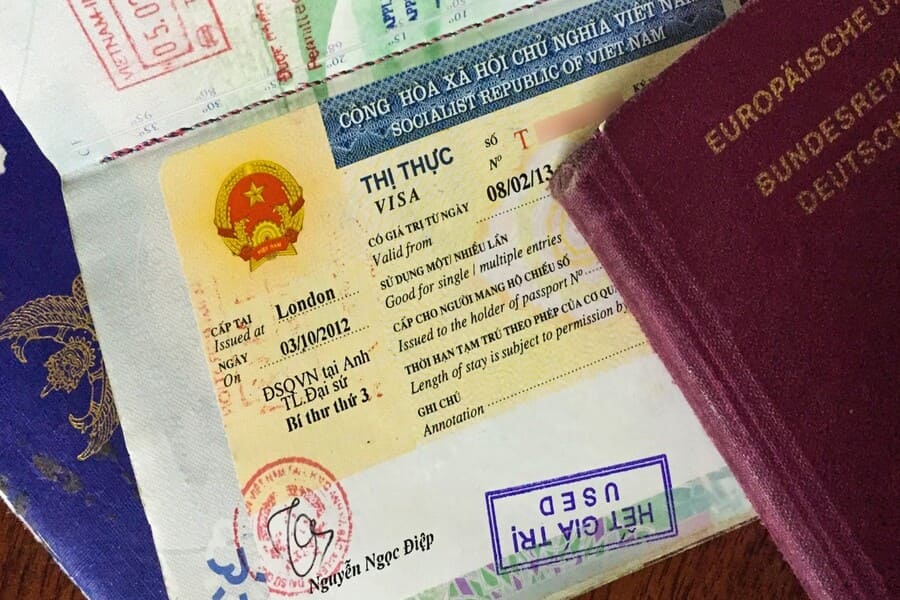
The Vietnam E-Visa is fully digital. Applicants receive approval via email, which they can print or save on their mobile device for presentation at immigration checkpoints. This modern process aligns perfectly with the fast-paced demands of business travel, reducing paperwork and processing delays compared to traditional visa methods.
For MICE travelers, the Vietnam E-Visa offers flexibility that conventional visas often lack. Delegates can enter through multiple approved ports and exit from different locations, making it ideal for complex itineraries involving conferences, exhibitions, incentive programs, or regional extensions.
Benefits for Corporate Groups & Event Delegates
Corporate event planners appreciate the Vietnam E-Visa for its efficiency when handling multinational delegations. Instead of arranging embassy appointments across different countries, participants can complete applications independently online at their convenience. This saves considerable administrative time and simplifies coordination for large-scale events.
The multiple-entry option proves especially valuable for incentive programs or extended conferences, allowing attendees to combine Vietnam with nearby destinations without additional visa procedures. Validity of up to 90 days also supports training programs, executive meetings, and post-event business activities.
From practical experience managing MICE groups across Vietnam, travelers using the Vietnam E-Visa system typically enjoy smoother airport arrivals and fewer last-minute documentation issues. The process integrates well with event logistics, allowing organizers to focus on delivering memorable corporate experiences rather than resolving visa complications.
Additionally, the accessibility of Vietnam E-Visa encourages broader international participation, supporting inclusive and globally connected business events.
Who Can Apply for Vietnam E-Visa?
Most foreign nationals qualify for Vietnam E-Visa provided they hold a valid passport and are not subject to specific entry restrictions under Vietnamese law. Since the major policy expansion in 2023, the program has become available to citizens of all countries and territories, making it particularly suitable for international MICE events.
Applicants must apply from outside Vietnam and possess a passport valid for at least six months beyond the intended date of entry. Corporate delegates, speakers, exhibitors, incentive travelers, and event suppliers generally meet these requirements without difficulty.
Certain official or diplomatic visits may follow alternative visa procedures. However, for most conferences, exhibitions, corporate meetings, and incentive travel programs, Vietnam E-Visa remains the most convenient and efficient option.
Experienced MICE planners often recommend verifying participant eligibility early in the planning process and sharing official guidance links to avoid unnecessary delays.
Vietnam E-Visa Requirements for MICE Travel
Required Documents
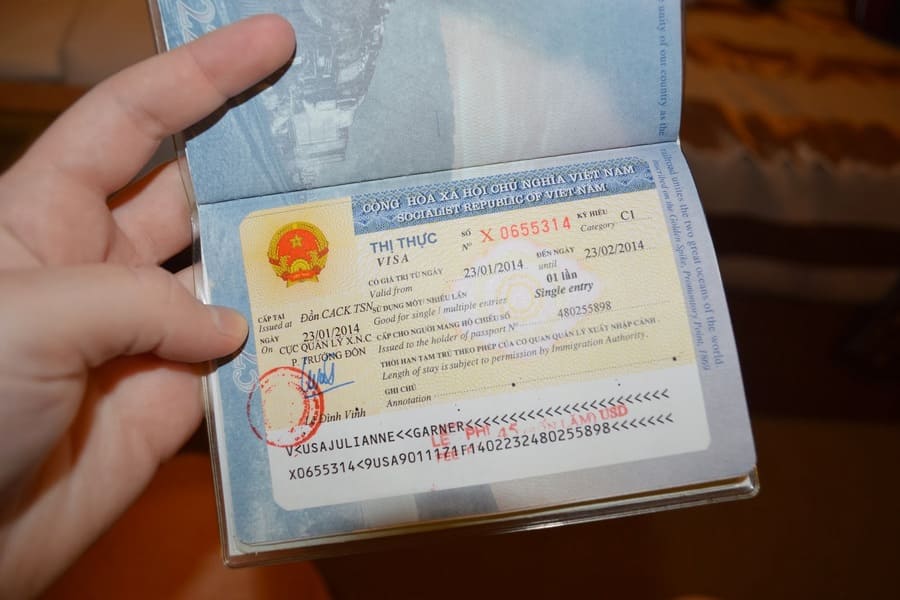
Preparing accurate documentation is essential for a successful Vietnam E-Visa application. Standard requirements include:
- A clear scan or high-quality photo of the passport biographical page.
- A recent digital portrait photo.
- A valid payment method for the visa fee.
For MICE travelers, selecting the appropriate purpose of visit such as business or tourism generally covers conferences, meetings, exhibitions, and incentive programs. Supporting invitation letters from organizers or host companies may strengthen business-related applications, although they are not always mandatory.
In practical group coordination, collecting passport scans early allows organizers to review file quality and prevent technical upload issues before submission deadlines.
Passport Validity Rules
Passports must remain valid for at least six months from the intended entry date into Vietnam. This requirement is strictly enforced and failure to comply can result in rejection.
For delegates planning multi-country itineraries or extended stays, ensure passport validity comfortably covers the entire travel period. Frequent business travelers should renew near-expiry passports before applying to avoid unnecessary complications.
Photo & File Format Guidelines
Photo compliance remains one of the most common challenges during the Vietnam E-Visa process. Applicants should ensure that the portrait photo:
- Has been taken within the last six months.
- Uses a plain white or light-colored background.
- Shows the applicant facing forward clearly.
- Fits standard proportions and remains under the required file size.
- Avoids glasses, hats, shadows, or heavy editing.
The passport scan must display all information clearly without glare, blur, or cropped edges. Using a scanner or a high-resolution mobile camera on a flat surface typically produces the best results.
From extensive MICE coordination experience, providing delegates with sample photos and a simple upload checklist significantly improves first-time approval rates.
Special Notes for Group Applications
Although each traveler submits an individual application, MICE coordinators can simplify the process by preparing templates with consistent event details and recommended entry ports.
For large delegations, organizing submissions in batches helps track approvals more efficiently. Since applications are processed independently, approval times may vary among participants.
Step-by-Step Guide: How To Apply Vietnam E-Visa
Step 1: Access Official E-Visa Portal
Visit the official Vietnam E-Visa portal at evisa.gov.vn. Always verify that you are using the official government website to avoid unofficial agencies charging excessive service fees.
Step 2: Fill Out the Application Form
Complete the online form carefully, ensuring all information exactly matches the passport. Applicants should enter full names, passport numbers, birth dates, and intended entry information accurately.
For MICE travel, selecting the correct purpose of visit and designated arrival port helps avoid complications during immigration procedures.
Step 3: Upload Required Documents
Upload the portrait photo and passport biographical page in the required sections. The system may automatically recognize some passport details, but manual review remains important to ensure accuracy.
Clear and properly formatted uploads greatly reduce the risk of delays or rejection.
Step 4: Pay the E-Visa Fee
Proceed with payment using an accepted international credit or debit card. Retain the payment confirmation and application reference number for tracking purposes.
Step 5: Receive & Download the E-Visa
Once approved, applicants receive notification via email. Travelers should log into the portal to download and print the Vietnam E-Visa while also saving a digital copy on their mobile device.
For corporate events, many organizers request delegates to submit approved visa copies in advance for centralized coordination and smoother airport support.
Vietnam E-Visa Processing Time & Fees
Standard Processing Time
Standard Vietnam E-Visa processing usually takes between 3 and 5 working days after complete submission and payment. Travelers are advised to apply at least two weeks before departure, particularly during peak travel and conference seasons.
Urgent Processing Options
Depending on availability, expedited services may be accessible through authorized channels for additional fees. For urgent corporate travel or last-minute delegates, planners should account for this possibility during event preparation.
Using the official portal remains the safest and most reliable option.
Cost Breakdown for Individuals vs Groups
Government fees are generally 25 USD for a single-entry visa and 50 USD for a multiple-entry visa. These fees apply consistently regardless of nationality.
For corporate groups, total costs increase according to participant numbers, though centralized coordination often reduces additional administrative expenses. Accurate budgeting helps maintain transparency in overall event planning.
Entry Points Accepting Vietnam E-Visa
International Airports
Vietnam E-Visa holders may enter through major international airports including Noi Bai in Hanoi, Tan Son Nhat in Ho Chi Minh City, Da Nang International Airport, Cam Ranh, and Phu Quoc. These airports are well-equipped to handle international business travelers and MICE delegations efficiently.
Land Border Gates
Numerous land border crossings with Cambodia, Laos, and China also accept Vietnam E-Visa, making regional business itineraries and cross-border incentive travel more convenient.
Seaports for Cruise & MICE Groups
Approved seaports in destinations such as Da Nang, Hai Phong, Nha Trang, and Vung Tau support cruise passengers and luxury incentive programs arriving by sea. Vietnam currently recognizes dozens of eligible entry and exit points under the E-Visa system.
Travelers should always ensure the selected entry port matches the information submitted during application.
Common Mistakes to Avoid When Applying
Incorrect Personal Information
Even minor spelling mistakes or mismatched passport details can result in delays or denial. Applicants should carefully review all entries before final submission.
Low-Quality Photo Uploads
Blurry photos, poor lighting, shadows, or incorrect backgrounds remain among the most common reasons for rejection. Using proper lighting and clear file formats significantly improves approval chances.
Incorrect Entry Port Selection
Choosing the wrong arrival port may create immigration complications. Travelers should align visa details with confirmed flight schedules and event logistics before submitting the application.
Additional practical advice from experienced MICE coordinators includes applying during Vietnam business hours for easier support access and saving all confirmation emails throughout the process.
Vietnam E-Visa has transformed international access to the country, reinforcing Vietnam’s position as one of Asia’s most attractive destinations for MICE travel. By following this guide carefully, corporate groups and business delegates can complete the process efficiently, ensuring smooth arrivals and uninterrupted focus on networking, collaboration, and unforgettable experiences in Vietnam.
